Misynthformation: the AI election threat we need to talk about
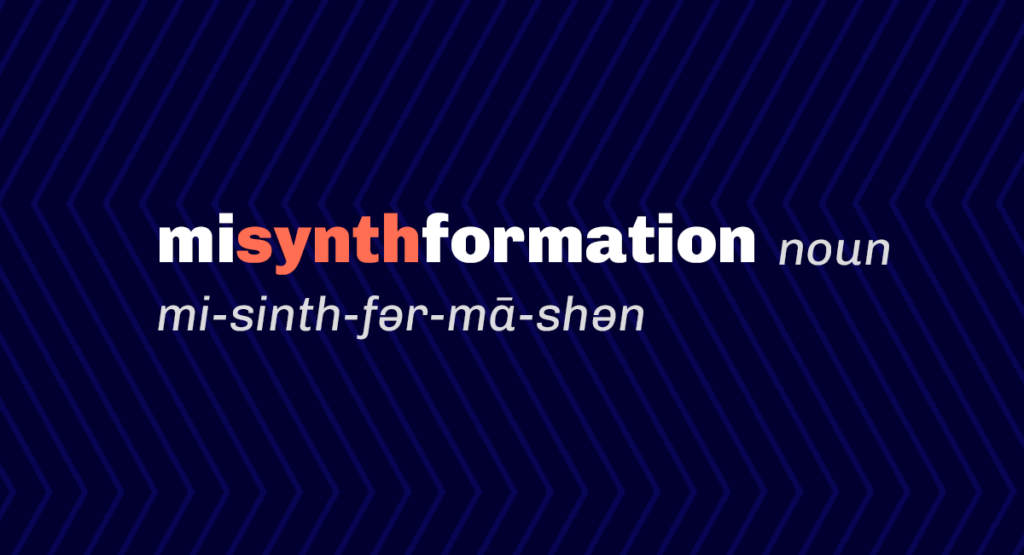
We’ve spent years now preparing for the wrong fight when it comes to AI and our elections. The playbook seemed set since the very first days of deep fakery, predating even the launch of ChatGPT, and it goes something like this: Bad actors spread disinformation, gullible people share misinformation, and platforms and voters scramble to keep up. We built AI detection tools, media literacy campaigns, and human content moderation around this very model. And then suddenly, a new threat arrived. A threat with no single villain, mystifying motives, and no off switch: Misynthformation.
Misynthformation isn’t quite propaganda. The other side (and this is true for whichever side you’re on) didn’t create it to deceive anyone. It emerged from the machines we built. Machines that clearly have no idea how wrong they can be, and possess the outsize confidence of the absolute worst humans out there. At Blue State, we’re defining it as “False or misleading information generated automatically by artificial intelligence systems, distinguished from misinformation by its synthetic rather than human origin, and from disinformation by the absence of deliberate intent.”
The 2026 midterms and the 2028 presidentials to come won’t be decided by deepfakes or October surprises, though we can expect at least a few of each. They will be decided by turnout. And turnout depends on whether people know where to go, who’s running, when to show up, and crucially, whether they believe their vote counts. Misynthformation can undermine each of these without even trying.
misynthformation noun
mi-sinth-fər-mā-shən
False or misleading information generated automatically by artificial intelligence systems, distinguished from misinformation by its synthetic rather than human origin, and from disinformation by the absence of deliberate intent.
Not knowing exactly where bad information comes from isn’t exactly a new thing. In 2008, we built Fight the Smears for the Obama campaign to fight against the rumors and chain emails following him around on our jurassic era blogosphere and proto-social platforms. We’d find the lie, name it, correct it, and ask people to share (and of course, to donate). Looking back it feels almost quant. By 2016, things had gotten a little murkier. We began to see facebook ads attacking Hillary Clinton and they were spreading widely and quickly. At the time nobody could say with any certainty where they originated from. It took months of investigation to trace many of them back to a single Russian troll farm. But even then, these were actual human trolls. Actual humans who eventually could be found and potentially be held to account. Misynthformation doesn’t work that way. We are in a new era.
The examples are already here. Soon after the 2024 election, a well publicized study found AI chatbots gave inaccurate answers to election questions almost a third of the time. Again, not because of bad intent, but because the models generated plausible-sounding responses and just…went for it. The responses, about polling locations, registration deadlines, and voting hours, were simply false. One AI tool told multiple users in several states that Election Day was November 6 when it wasn’t. Another confidently cited federal voting laws that never existed. A third hallucinated an entire set of ballot drop-off procedures for a county that had changed its rules many weeks earlier.
And the thing is that the machines just had no idea, but confidently gave the wrong answer.
That’s what makes this all so dangerous in an election context. Disinformation requires coordination. Misinformation requires a person making an error. Misynthformation requires neither. All it takes is a voter typing a question and blindly trusting what comes back, something we all do a dozen times a day or more.
With AI tools now embedded in search engines, social platforms, and everyday browsers, the wellspring of misynthformation isn’t some dark corner of the internet. It’s Google. It’s the summary at the top of the page. It’s the assistant people already trust.
And this is the most terrifying part. There’s no one to stop, no account to suspend, no campaign to call out in a way that breaks through the noise, no Fox News story to blame. Just self-assured machines humming along, generating answers, and real people making decisions based on them.
So what do we do?
First: Know it exists, and be wary. When you search for polling hours or registration deadlines, verify what you find against an official government source like vote.gov rather than checking your AI assistant, since those answers can sound authoritative and be completely wrong. Treat them accordingly.
Second: Support platforms built on human knowledge, like Wikipedia and Ballotpedia. They’re accountable in ways an LLM can never be. Use these platforms directly. Fund and support them. Defend them. Using AI is fine, but real human knowledge should always be rewarded.
Third, and most importantly: Make it personal. If you know where to vote, when to show up, and who’s on your ballot, make sure the people around you do too. Text your group chat. Call your family. Post it. A better algorithm won’t save us. Neither will waiting on AI companies to fix the problem, or hoping that some brave government gets around to regulating it. People are the ones who are going to fix this. Real people, sharing the facts they actually know with everyone they know, and advocating for fresh ideas at the federal level and local legislation from our elected officials.
Services
- Strategic Communications